Itinerary
1
Delhi – Agra
- Agra Fort
- Itimad-ud-Daulah’s Tomb
- Taj Mahal
-
- 05:00 am- You will be picked up are the Delhi International Airport or your hotel by one of our expert drivers, you will be driven in an air-conditioned vehicle to the New Delhi Railway station to board your train to Agra which signals the start of your train holidays in India. (Train name is; Bhopal Shatabdi. Train No. 12002) You will enjoy breakfast on the train.
- 08:00 am – You will be met at the Agra Railway station by a expert driver and taken to your hotel for check in. If you didn’t eat breakfast on the train you can have it at the hotel.
- 09:00 am – You will head out for sightseeing to exclude:
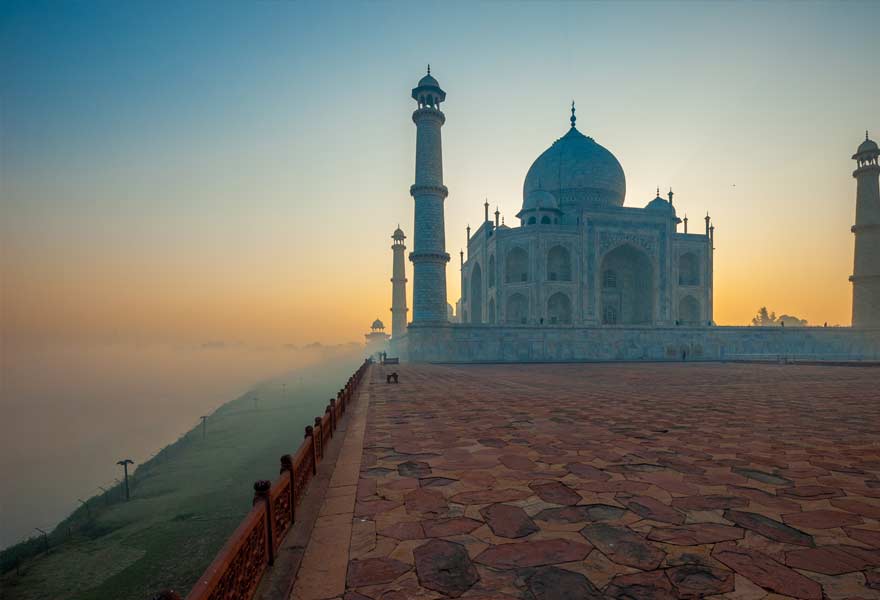
- Taj Mahal visit – this monument is the epitome of Mughal Art and considered as one of the finest architectural buildings in the world. It was built by Mughal Emperor, Shah Jahan, to commemorate his beloved wife Mumtaz and is considered to be one of the highlights of any visit to India.
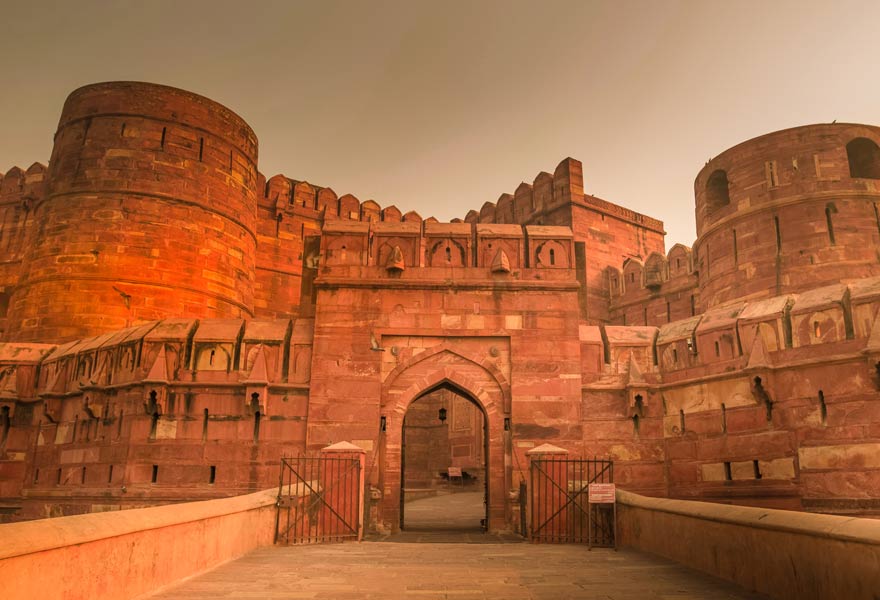
- Agra Fort – The Agra fort is a historical fort in the city of Agra also known as the Red Fort. Made out of red sandstone, on the banks of the Yamuna river. Rebuilt by Mughal Emperor Akbar in 1565 and completed in 1573, it served as the main residence of the rulers of the Mughal Dynasty until 1638 when the capital was shifted from Agra to Delhi
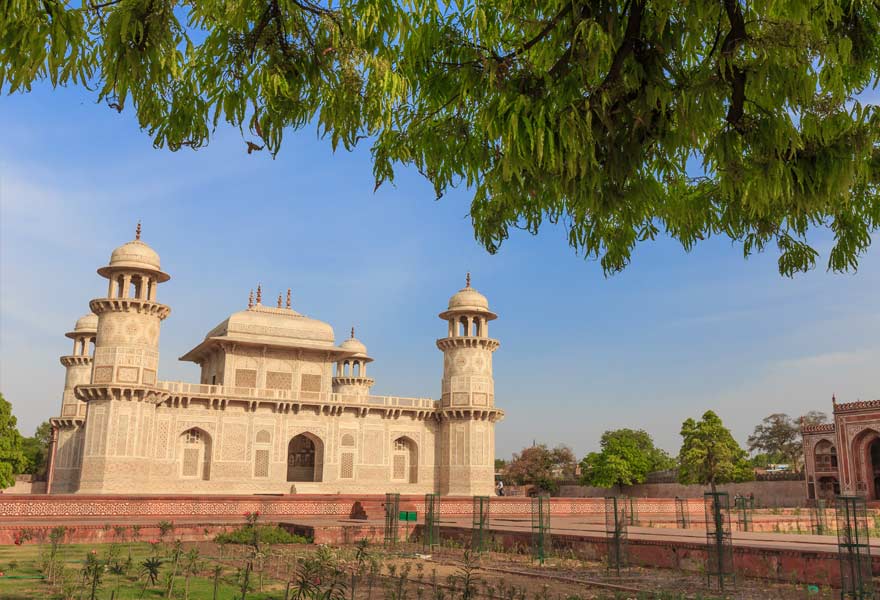
- Itmad-Ud-Daulah Tomb – Is a Mughal mausoleum, often described as a “Jewel Box”, and sometimes referred to as “Bachcha Taj” or the “Baby Taj”. It is often regarded as a draft of the Taj Mahal.
- You will have lunch at a place of your preference.
- At sunset time, you will visit the Taj Mahal- literally meaning “Crown Palace”. It is a Islamic ivory-white marble mausoleum on the right bank of the Yamuna river. It was commissioned in 1631 by Mughal Emperor Shan Jahan to house the tomb of his beloved wife Mumtaz Mahal.The construction project employed some 20,000 artisans under the guidance of a board of architects led by the court architect to the emperor, Ustad Ahmad Lahauri. It was designated as a UNESCO World Heritage Site in 1983 for being “The Jewel of Muslim art in India and one of the universally admired masterpieces of the world heritage”.
Note: Taj-Mahal does not open on Fridays.
2
Agra – Fatehpur Sikri – Jaipur
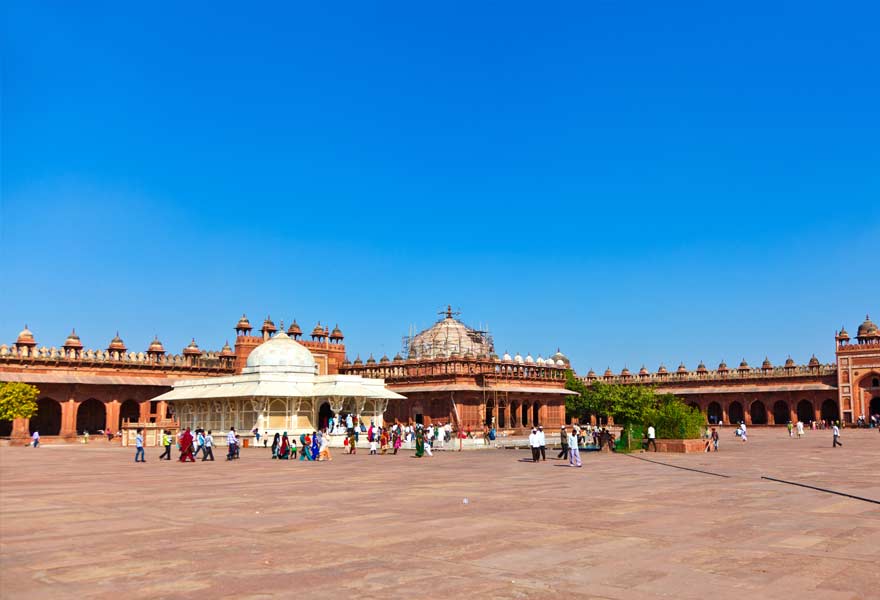
- Explore Fatehpur Sikri
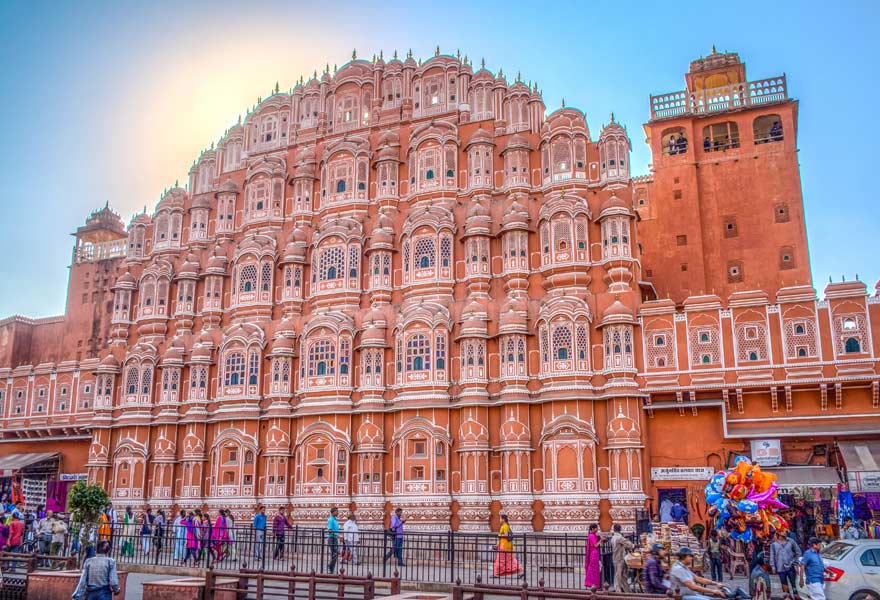
- Hawa Mahal
- Albert Hall Museum
- 06:00 am: You will have the chance to visit the Taj Mahal again for sunrise followed by breakfast at your hotel on your Golden Triangle Tour from Delhi.
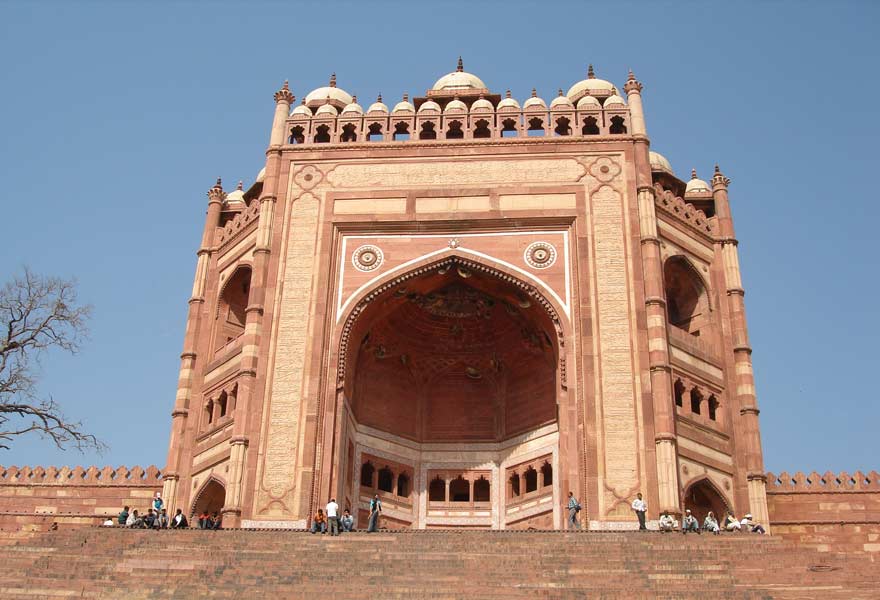
- 08: 00 am – Depart for Jaipur with stops en route at Fatehpur SIKRI to explore the fortified desert city of palaces.
- 03:00 pm – On arrival in Jaipur, you will be checked into your hotel for a short break before sightseeing.
- 04:00 pm – You will leave for sightseeing to include: Hawa Mahal also known as the “Palace of winds” and Albert Hall Museum, after sightseeing you will be taken back to your hotel to enjoy an comfortable overnight stay.
- Hawa Mahal – Is considered to be the most prominent landmark of Jaipur. It is built from red and pink sandstone, and is comprised of around 953 small windows. It was built by Maharaja Sawai Oratato Singh in 1799.
- Albert Hall Museum – It is the oldest museum of the state and functions as the state museum of the Rajasthan. It was built and designed by Samuel Swinton Jacob. It is considered one of the best 19th century museums for the variety of its collection.
3
Jaipur – Delhi
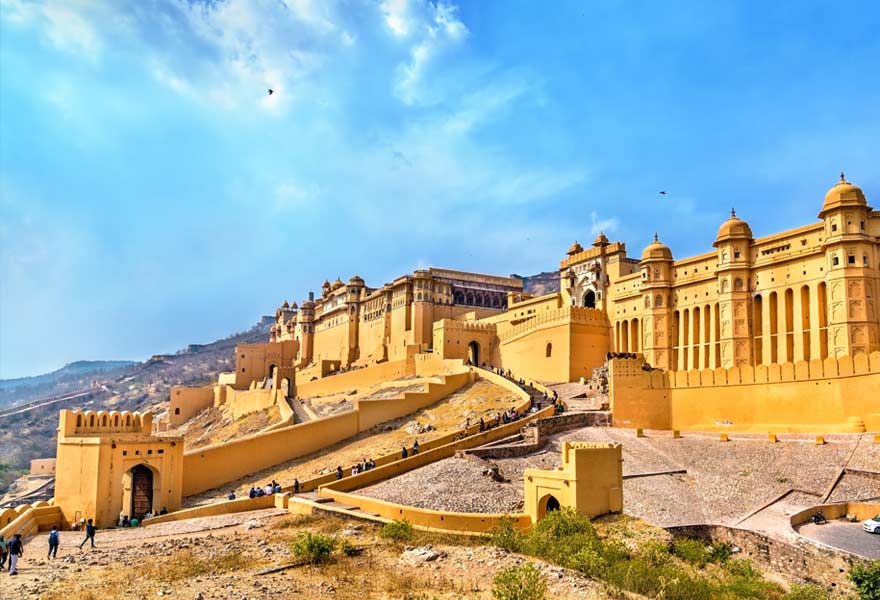
- Amber Fort
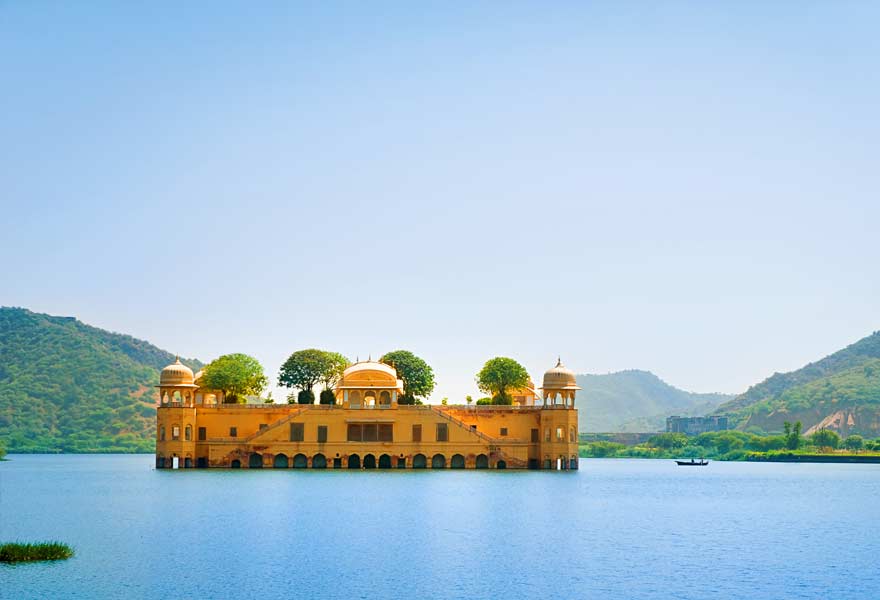
- Jal Mahal
- City Palace
-
- 08:00 am- AAfter you have breakfast at the hotel, you will then leave for sightseeing to include: Amber Fort, Jal Mahal, and City Palace on the Golden Triangle Tour
- 17:00 pm – Drop off at Jaipur railway station to board your train to Delhi (Ajmer Shatabdi, Train No. 12016) with dinner on board.
- Amber Fort- It is also known as “Amer Fort” this beautiful fort attracts over 5,000 tourists from across the globe each day. The Amber Fort is known for its artistic style elements. With its large ramparts and series of gates and cobbled paths, and over looks the Maota Lake which is the main source of water. It was constructed in the 16th century by Raja Man Singh.
- Jal Mahal- This Palace is in the middle of the Man Sagar Lake. This beautiful Palace is constructed by red sandstone with Mughal and Rajput styles of architecture in 1699. The building and lake were renovated and enlarged in the 18th century by Maharaja Jai Singh II
- 5:00 pm- You will be dropped off at the Jaipur railway station to board your train to Delhi with dinner on board the train.
- 10:40 pm- You will arrive in Delhi, you will be greeted by your driver, and taken to the airport for your next adventure, or to a hotel of your choice.
Tour Ends
FAQs
1). What should I wear inside religious or heritage sites?
Modest, lightweight clothing is usually advised: shoulders and the knees to be covered, especially at the mosques within Fatehpur Sikri and the Taj complex (if applicable). Wear the comfortable walking shoes for easy walking experiences. Carry a scarf or the light shawl for the sun protection and to respect the local customs when needed.
2). Are hotel stays included in the Golden Triangle Tour by Train?
All overnight stays are in the comfortable, pre-booked hotels—one night in the Agra and one in the Jaipur. Trains are used only for daytime intercity transfers, ensuring the guests enjoy full rest, private bathrooms, and the included breakfast (provided by hotel) each morning.
3). Do I need travel insurance for this short trip?
While not mandatory, comprehensive insurance covering the medical care, trip interruption, and the luggage loss is strongly recommended. Rail delays or unexpected health issues can arise; insurance ensures reimbursement for missed connections or the emergency expenses.